Abstract
When the COVID-19 epidemic broke out, hybrid learning was the most widely used educational approach in the world. It also began to emerge at the same time as other forms of education. The educational system is constantly creating new techniques and advancements in an attempt to deliver effective instruction and raise student standards. Hybrid education is a crucial strategy to guarantee the continuance of academic activities and the learning of the English language. In order to provide effective instruction and boost student achievement even further, Ecuador's educational system also implements innovative methods. But the expectations students face are challenging due to the difficulty they have in communicating in English. Consequently, it becomes a barrier to face the new task and educational demands. The use of diverse media and technology resources is necessary for the development of communicative skills. Thus, the main goal of the study is to examine how the use of Google Meets enhances speaking skills. The use of Google Meet and other tools, which are part of its platform (e.g., forums, announcements, and text publications), will be given priority to develop and improve reading, writing, and oral expression. A survey will be applied in 30 students of a high school who will be part of a sample for a qualitative research study. Inductive and deductive research methods will be considered to provide explanations and descriptions. In Addition, a questionnaire with ten questions will be provided to 4 teachers to know the relevance and importance of using Google Meets in the development of communication abilities.
Keywords: Hybrid learning - Innovative methods - Speaking skills – Google Meet – Platform.
Resumen
Cuando estalló la epidemia de COVID-19, el aprendizaje híbrido era el enfoque educativo más utilizado en el mundo. También comenzó a surgir al mismo tiempo que otras formas de educación. El sistema educativo crea constantemente nuevas técnicas y avances para brindar una instrucción efectiva y elevar el nivel académico de los estudiantes. La educación híbrida es una estrategia crucial para garantizar la continuidad de las actividades académicas y el aprendizaje del inglés. Para brindar una instrucción efectiva e impulsar aún más el rendimiento estudiantil, el sistema educativo ecuatoriano también implementa métodos innovadores. Sin embargo, las expectativas que enfrentan los estudiantes son desafiantes debido a su dificultad para comunicarse en inglés. En consecuencia, se convierte en una barrera para afrontar las nuevas tareas y las demandas educativas. El uso de diversos medios y recursos tecnológicos es necesario para el desarrollo de las habilidades comunicativas. Por lo tanto, el objetivo principal del estudio es examinar cómo el uso de Google Meets mejora las habilidades de habla. Se priorizará el uso de Google Meet y otras herramientas que forman parte de su plataforma (por ejemplo, foros, anuncios y publicaciones de texto) para desarrollar y mejorar la lectura, la escritura y la expresión oral. Se aplicará una encuesta a 30 estudiantes de secundaria que formarán parte de una muestra para un estudio de investigación cualitativo. Se utilizarán métodos de investigación inductivos y deductivos para proporcionar explicaciones y descripciones. Además, se entregará un cuestionario de diez preguntas a cuatro docentes para conocer la relevancia e importancia del uso de Google Meets en el desarrollo de habilidades comunicativas.
Palabras clave: Aprendizaje híbrido - Métodos innovadores - Habilidades de expresión oral - Google Meet - Plataforma.
Sumário
Quando a pandemia de COVID-19 eclodiu, o ensino híbrido tornou-se a abordagem educacional mais utilizada no mundo. Ele também começou a emergir simultaneamente a outras modalidades de ensino. O sistema educacional está constantemente criando novas técnicas e avanços na tentativa de oferecer um ensino eficaz e elevar os padrões dos alunos. A educação híbrida é uma estratégia crucial para garantir a continuidade das atividades acadêmicas e o aprendizado da língua inglesa. Para proporcionar um ensino eficaz e impulsionar ainda mais o desempenho dos alunos, o sistema educacional do Equador também implementa métodos inovadores. No entanto, as expectativas que os alunos enfrentam são desafiadoras devido à dificuldade que possuem em se comunicar em inglês. Consequentemente, isso se torna uma barreira para enfrentar as novas tarefas e demandas educacionais. O uso de diversos recursos de mídia e tecnologia é necessário para o desenvolvimento das habilidades comunicativas. Assim, o principal objetivo deste estudo é examinar como o uso do Google Meet aprimora as habilidades de fala. O uso do Google Meet e de outras ferramentas que fazem parte de sua plataforma (por exemplo, fóruns, anúncios e publicações de texto) será priorizado para desenvolver e aprimorar a leitura, a escrita e a expressão oral. Um questionário será aplicado a 30 alunos do ensino médio que farão parte de uma amostra para um estudo de pesquisa qualitativa. Métodos de pesquisa indutiva e dedutiva serão considerados para fornecer explicações e descrições. Além disso, um questionário com dez perguntas será fornecido a 4 professores para conhecer a relevância e a importância do uso do Google Meet no desenvolvimento das habilidades de comunicação.
Palavras-chave: aprendizagem híbrida - métodos inovadores - habilidades de fala - Google Meet - plataforma.
Introduction
English's widespread use as an international language extends its influence across diverse fields, contributing significantly to global communication and collaboration. Its ubiquity in scientific, technological, and trade domains underscores its pivotal role in fostering innovation and progress on a global scale. Moreover, the pervasive belief in the importance of English in the context of globalization catalyzes individuals to prioritize learning and using the language.
Speaking, a vital component of language studies, holds significance in the advancement of communication skills. It is defined as the process of constructing and exchanging meaning through verbal or oral expression, as noted by Young (2011, p. 240). Educators are acquainted with various applications, among which is Google Meet. Developed by Google Inc. as part of its Google for Education initiative, Google Meet, along with other programs like Gmail, Google Drive, Google Docs, Google Classroom, and Google Calendar, serves as a valuable tool.
The acquisition of social skills, including the proper utilization of ICT tools and technical capabilities, is a characteristic of 21st-century learning (González-Pérez & Ramírez-Montoya, 2022, p. 1493). Consequently, educators should be proficient in using technology to better know their students' learning needs and thereby build their own creative potential.
Language learning resources can be enhanced by both teachers and students through the integration of technology, supplementing the traditional classroom environment. Assigning homework that requires meaningful and practical use of devices, such as computers or smartphones, to do useful and meaningful things. The description provided indicates that the researcher of this proposal is interested in conducting a study about the use of Google Meet to develop middle school students' speaking skills.
Despite the advantages presented by this new learning model, the absence of sufficient guidance for students who misuse virtual learning tools can stem from various causes and result in diverse effects. In justification of the problem, one such cause is the lack of technological knowledge, as students may encounter difficulties if they don't fully grasp the functions and features of virtual tools, leading to inefficient use and frustration.
Google Tools for Virtual Education
In recent times, technology has become increasingly crucial across various educational stages. However, educators frequently face the challenge of selecting the most suitable technological tool from the numerous options available for their classroom approaches (Xu & Stefaniak, 2023, p. 13). As widely acknowledged, a diverse array of programs and tools exists to enhance the learning experience within our classrooms. The critical task lies in pinpointing those that align most optimally with specific needs.
Programs not only serve to complement traditional classes but also enable the creation of virtual environments where students can sustain their learning remotely or even engage in fully online instruction. Over the preceding decades, Google has broadened its scope beyond being a mere search engine, introducing additional products and services such as Google Drive for cloud storage, Gmail as an email platform, and mapping utilities like Google Maps, Google Street View, and Google Earth.
Beyond its traditional role as an email platform, Gmail becomes crucial for accessing all other applications. It transforms into the primary and indispensable tool for assigning tasks and employing educational applications throughout the learning process (Suanse & Yuenyong, 2021, p. 11). On the other hand, Google Drive is used for generating, storing, and distributing various documents. This tool acts as a cloud storage space, facilitating document or folder sharing with students (Abubakar, 2019, p. 28). Accessed directly from Gmail, it not only supports the sharing of Google presentations and documents but also enables the dissemination of diverse information, ranging from books and documents to audio and video recordings for language skill enhancement.
Google Docs is Accessible online across all devices. This tool provides functionalities similar to Word and is available for free usage (Firth & Mesureur, 2010, p. 21). Similar to the previously mentioned tools, it allows seamless online collaboration among different users. It emerges as one of the most essential tools for student engagement, allowing continuous monitoring of their progress without document submissions.
Analogous to the preceding tool, Google presents its application for crafting and viewing presentations in a "PowerPoint" format. Google Slides streamlines the sharing of work with various users and facilitates online collaboration, serving as an optimal space for students to express their creativity and hone synthesis skills. Featuring diverse templates and the capability to insert images, videos, and other interactive elements, it provides a comprehensive platform for educational exploration.
As one of the most widely used video platforms today, YouTube, a part of the Google Company, requires a Gmail account for uploading, subscribing to channels, and sharing videos (Maziriri, Gapa, & Chuchu, 2020, p. 123). This application can be utilized to share video stories, songs, or instructional content by sending them through Gmail or embedding them in the aforementioned applications. Similar to the previously mentioned tools. It is designed for real-time teamwork. It offers a blank whiteboard where users can write manually or through text boxes, easily incorporate images and backgrounds, and add labels or sticky notes.
According to Stafford (2022), it is intended for collaborative work among students, encouraging the creation of conceptual maps, outlines, and joint assignments (Stafford, 2022, p. 182). It is also an excellent tool for conducting online games using the whiteboard as a playing field, allowing students to move various elements and interact with peers or the teacher.
Finally, out of the array of Google tools suitable for online English as a Foreign Language (EFL) classes, Google Classroom emerges as a specialized online education tool. It is a free educational web service designed for teachers, streamlines the creation of lessons, task assignments, announcements, quizzes, and most importantly, direct communication with students (Elder, 2020, p. 16).
This tool enables students to respond and access information globally from any internet-enabled device. Despite potential challenges in terms of user-friendliness, Google Classroom proves highly advantageous for educators and significantly improves students' access to assignments and learning materials.
Insight into Google Meet
Chakravorti et al, (2020) declare that the global acceleration of digital transformation owes much to the COVID-19 pandemic. As students are compelled to stay home, their educational landscape has transformed, leveraging video communication platforms like Google Meet. Previously identified as Google Hangouts Meet, Google Meet serves as Google's video conferencing solution for enterprises (Chakravorti et al, 2020, p. 39). It is an integral component of G Suite and is freely available to Google users.
Setting itself apart from Hangouts, Meet boasts additional features, including real-time subtitles, and can accommodate up to 250 participants and 100,000 live-streaming viewers. In contrast, Hangouts is restricted to video calls with a maximum of 25 participants (Macarthy, 2021, p. 79). Users can initiate a meeting by accessing met.google.com or can schedule one in advance using Google Chat or Google Calendar.
In this context, Google Meet emerges as a versatile platform, accessible through both a website and mobile applications compatible with IOS and Android devices, offering an alternative to Google Hangouts video chat. Initially, Google Hangouts served as an all-encompassing communication tool handling text and video features. Notably, the real-time live video service, Google Hangouts Live, has recently been integrated into the system.
Google Meet is specifically tailored to facilitate virtual meetings, accommodating a large number of participants capable of communicating and sharing videos over the Internet. Exclusively designed for educators and students, Google Meet provides an effective platform for remote learning. Organizers of Google Meet sessions possess the ability to share on-screen content with all participants, while attendees have the option to mute or disable their audio and video feeds at any point during the meeting (Putra, 2021, p. 129). This adaptability allows users to tailor their participation based on individual preferences.
Google Tools for Teaching in the 21st Century
In the current education of the 21st century, the crucial role of Information and Communication Technologies (ICT) is highlighted as a fundamental tools for the creation and transmission of knowledge. ICT is integrated into various programs and curricula of educational institutions at all levels, both nationally and internationally, aiming to enhance the quality of the teaching-learning process.
The factors presented by Fernández-Batanero et al (2022) consider thematic content as well as various activities and assessment methods. These factors should be taken into account within instructional design to achieve a relevant and functional integration of ICT in the curriculum. However, this proposal does not specify which technological tools could contribute more efficiently to enhancing the educational process.
Abubakar presents a series of challenges for education regarding the use of ICT, focusing on aspects such as teacher training for the integration of digital media in teaching and learning processes, the need for digital literacy to become an essential skill for the teaching profession, student training in the use of new media and audiovisual languages, the use of technology for proper information processing and knowledge construction, and the adaptation of teaching practices to the needs of the digital and knowledge society.
These challenges with a focus primarily on teacher training in the field of ICT, aiming to achieve an efficient educational process, although it does not specify recommended technological tools to adapt the educational process to the current era.
Fundamental elements are identified, acting as pillars. These include recognizing the availability and accessibility of information and knowledge through the Internet, the ability to modify, enhance, and update learning environments through ICT, and the development of ICT competencies so that educators can effectively respond to new knowledge demands in various fields of human activity.
The different theoretical perspectives presented as factors, challenges, or pillars emphasize the importance of incorporating ICT in current education to achieve the goals established in various educational programs. However, there is a noticeable lack of information about the specific types of technologies needed, especially software, to facilitate more effective professional development for teachers during classes and achieve a higher quality transmission of disciplinary knowledge. The central question is to identify the main free tools that Google offers for class development and the transmission of disciplinary content.
Google's perspective on education suggests that it can take place in any environment, constituting a process for the transmission and acquisition of knowledge. In this regard, Google has developed a range of products or tools to support the educational process, always ensuring their adaptability to the contextual needs and educational level of each user (Carter Jr. et al, 2020, p. 325).
Google Meet for Immersive Virtual Learning Environment
Current language teaching methodologies are increasingly centered on the student, where the role of the teacher is conceived as a companion or guide in the learning process. This educational approach not only fosters the development of competencies and skills but also takes into account the individual capacities and needs of students, recognizing the diversity present in classrooms (Gràcia et al, 2021, p. 16).
In this framework, the teacher's role transforms into that of a "coach," guiding students in their own learning process. The idea is for students to perceive the teacher as a facilitator of learning who promotes self-awareness as a driving force for personal change and transformation. The goal is for them to adopt new modes of thinking that enable them to generate innovative behaviors, resulting in improvements in their quality of life and achievement of objectives.
In this context, theoretical approaches are crucial, and connectivism emerges as the latest trend capable of providing a suitable understanding of these types of learning centered on specialized connections. Unlike previous theoretical paradigms such as behaviorism, cognitivism, and constructivism, which have limitations in demonstrating the influence of the interconnected digital world on teach students (Krath et al, 2021, p. 1524).
It is observed that educational institutions using Google Meet have the advantage of recording and storing classes, enabling them to schedule meetings at any time and place, providing us with a deeper understanding of the relationship between this platform and members of the educational community. It is essential to highlight that Google Meet offers various tools during video calls to facilitate virtual interaction among teachers.
Furthermore, it is crucial to note that this tool reinforces classes similarly to in-person teaching, offering the opportunity to explore new areas of study through direct interaction with students. It is also important to emphasize that access to these applications does not require downloading additional programs and can be done from a laptop, tablet, or smartphone, allowing connection from anywhere in the world. With this definition and understanding, we have conducted the study.
The Ecuadorian education system implements various regulations in the educational domain to ensure the resumption of classes across all school levels. This marks the initiation of the quest for virtual platforms to facilitate the adaptation and adjustment of class activities in a virtual setting.
These platforms have been continuously evolving, with a significant focus on innovation in 2020, incorporating a plethora of technological tools (Helsper, 2021, p. 16). In Latin America, these challenges are exacerbated by numerous socio-economic inequalities, particularly evident in the persistent digital disparities among both students and teachers.
Engaging in online education offers young individuals the chance to continue their studies, simultaneously enhancing their foundational computer skills through diverse analytical subjects. Consequently, students develop independence and self-discipline, enabling them to shoulder responsibilities responsibly even without the physical presence of a teacher.
Making video calls or video conferences through Google is done via Meet. To use this tool, a meeting must be scheduled, and the link shared. The advantage is that participants don't need specific accounts or plugins, making virtual meetings straightforward. Participants can join meetings either from Google Calendar or through an email invitation (Tai & Chen, 2023, p. 1495)
Google Meet enables teachers and students in educational institutions to conduct video conferences for synchronous remote classes. However, it's important to note that the free version of Google Meet doesn't include the feature to record video conferences; this functionality is available only in the G Suite version. Some features that contribute to the better development of classes from an inclusive perspective include screen sharing, real-time captioning, and expanded view (Al-Maroof et al, 2023, p. 1298).
Using Google Meet within virtual environments allows for the establishment of effective and dynamic collaborative learning, creating connections that facilitate the use of these tools and positively influencing students. This impact is attributed to its versatility, user-friendly interface, and free accessibility. In this scenario, it is evident that educators are adapting to a virtual reality, while students continue to engage with a virtual and augmented reality.
Google Meet as a Learning Strategy for speaking skill development
Within the realm of language, there is the ability to communicate in the four skills: reading, writing, speaking, and listening. This necessity has led to the development of various methodologies for achieving effective language education (Nehe, 2021, p. 612). However, these methods do not adequately address one of the most crucial skills for students, namely oral proficiency, as it requires more effort and time to develop.
Students are constantly in need of reinforcement as a complement to their formal studies, given that oral proficiency is a skill that aids immediate communication. In the following analysis, we will explore the importance of studying it, teaching methodologies, the four skills, and the implications of oral proficiency in English language learning.
Technological advancements have brought about significant changes in education today. There is a notable emphasis on remote education, with a greater focus on virtual classrooms, e-learning, and blended learning (b-learning) as spaces where students and teachers can interact much like in traditional face-to-face classes.
Videoconferencing as an Innovative Learning Strategy for speaking Skill development
Videoconferencing is a communication system that allows us to create interactive virtual spaces, where it is possible to establish communication with one or more people who are often located in geographically distant areas (Helsper, 2021). One of its many advantages and applications is that it can be utilized as a didactic resource in the teaching-learning process. It is also used as a supporting tool that enhances the potential for didactic communication between the teacher and students, and among students in collaborative work activities, tutorials, forums, among others (Camilleri & Camilleri, A. C, 2022, p. 8).
The use of videoconferencing as an innovative strategy paves the way for the development of oral proficiency. This allows students and teachers to interact through telematics and mechanisms such as forums, chats, internal messaging, email, audio conferencing, where motivation, involvement, and student performance in proposed tasks or activities are increased.
Technological resources are readily available, the adaptability of teachers is a reality, and students are open to acquiring new digital skills. According to Huda, M & Hashim, A (2022), technological tools empower both educators and students to acquire, record, store, produce, and communicate content in various formats. The means utilized include the Internet, desktop and laptop computers, tablets, and smartphones, enabling quick, flexible, and free interaction among connected individuals through platforms like Google Meet and Google Classroom, fostering collaborative and meaningful learning.
Videoconferencing leads to a more effective utilization of courses with broader student participation, enriching the educational experience. Furthermore, there is a reduction in expenses related to hiring professors, as the same specialist can cater to a larger number of students.
Strategies for Developing Speaking Skills in the Virtual English Classroom
Certain exercises, including pronunciation drills, reading aloud, narration, and descriptions, play a crucial role as valuable exercises for enhancing speaking abilities. Designing activities that engage students in simulated situations or role-playing scenarios. This allows them to apply English in practical and contextual settings. Role-playing is an educational technique that involves the interaction of two or more individuals assuming specific roles and functions to recreate everyday situations.
This practice encourages active participation from both those portraying the roles and those observing, contributing to collaborative problem-solving in the simulated scenario (Berdiyeva, 2023, p. 77). This recreational activity addresses common situations that help children develop essential life skills such as assertiveness, decision-making, and empathy, among others.
Discussion Forums
Use online forums to discuss specific topics. This allows students to express themselves in writing and later have the opportunity to discuss these topics orally in virtual sessions. As an additional learning resource, the discussion forum facilitates interaction between students and instructors.
Its primary purpose is to address any doubts about the course content or resolve language learning difficulties that may arise, ultimately strengthening the students' oral skills (Rochera, M. J, Engel, A., & Coll, C, 2021, p. 165). Participation and discussions in this forum often become intriguing due to the adaptive nature of the course, as more advanced students can provide support to those who haven't reached that level yet.
Virtual Debates
Organize debates on relevant topics. This not only improves speaking skills but also enhances argumentation skills and the use of specific vocabulary. A debate simulates a competition in which each side aims to win by presenting stronger arguments or making opposing arguments appear less reasonable or weaker. As Nayla (2021) notes, debating involves presenting two opposing perspectives on a given topic.
Essentially, the use of debate as a pedagogical tool significantly enriches the language learning process by creating conditions for students to express themselves, develop higher-order thinking skills, and reduce reliance on rote memorization. Goldenberg (2020), assert that debate positively impacts motivation and engagement, enhances knowledge in specific areas, aids in applying knowledge in real-world situations, and strengthens teamwork, interaction, writing, and research skills.
Multimedia Resources and Video Presentations
Incorporate videos, podcasts, or recordings of native speakers so that students can listen and model pronunciation and intonation. Ask students to record presentations on assigned topics. This provides them with an opportunity to practice and review their own pronunciation and fluency. Appropriate educational videos capture the attention of students, exposing them to an interesting and engaging environment, as well as the content.
Narrated through the succession of moving images, sounds, and interaction, they engage students in the process of learning a second language and develop oral skills. In this representation system, visualization enables the creation of correlations between ideas and concepts (Waluyo & Apridayani, 2021, p. 725). Through the eye, students who are visual learners can perceive sizes, shapes, colors, and distances; they prefer visual stimulation through the use of videos, movies, and photographs, distinguishing and understanding the world as they perceive it.
Collaborative Activities
Collaborative learning is based on implementing activities where students work together and interact to achieve a common goal. Its advantages are manifold: it empowers students as protagonists of their own learning, develops their competencies and skills, strengthens interpersonal relationships, and enables them to acquire meaningful learning (Strauß, & Rummel, 2020, p. 254). Designing projects or tasks that require students to collaborate in creating and presenting content in English fosters interaction and the development of oral skills.
Constructive Feedback
In the process of providing feedback, teachers carry out corrections highlighting the errors of students who are in the process of learning a second language. Changes in the process of acquiring the English language are more noticeable when oral feedback is provided, which is more accessible to record by observers. Based on these observations, immediate inferences or suggestions can be made to students about their performance so that they recognize their errors and are able to use those recommendations for the improvement of the foreign language.
There are various other strategies that contribute to improving students' speaking skills. However, this project focuses on the most relevant ones, which will be highlighted in the development of the methodological framework and proposals of this thesis.
Group formation in collaborative work entails a heterogeneous mix of skills and characteristics among its members; each member carries their share of responsibility in executing group actions. Responsibility is shared among all members, aiming to achieve goals through both individual and collective task completion. Collaborative work demands participants to possess communicative skills, foster symmetric and reciprocal relationships, and harbor a willingness to share in task resolution.
Methods
The present research proposal was carried out at Unidad Educativa Fiscal José Herboso, located in the city of Guayaquil, Province of Guayas in the Coastal region. It is a publicly funded educational institution offering regular education. The mode of instruction is in-person, covering both morning and afternoon sessions, and it provides Initial and Basic General Education (EGB) levels. This prestigious school is situated in the city of Guayaquil, Guayas province, located in Pradera 1 neighborhood, block E-9, zone 8, district 1, AMIE code 09H00236. It is one of the oldest schools where most children from this community are educated.
The study of this research is descriptive in nature; it seeks to detail the characteristics and properties of the problem presented, specifically related to virtual learning environments in the development of English language acquisition among eighth-grade students at Unidad Educativa Fiscal José Herboso. The aim was to identify aspects related to academic performance and the pedagogical strategies that teachers apply in their classes through Google Meet. In this way, the various facets of the phenomenon under analysis were intended to be clarified.
Following coherence with the previously mentioned research techniques, a questionnaire was employed as a tool to gather data related to the issue under analysis. This questionnaire is structured as a form containing a series of questions designed to describe relevant aspects that will contribute to the interpretation and presentation of results linked to the central theme of the study.
The data was collected from Unidad Educativa Fiscal José Herboso, located in Guayaquil City; with a group of 29 students form eighth grade; 15 girls and 14 boys whose ages range from 13 to 14 years old. These students have an A1 language proficiency level. The school offers four hours of English classes per week, indicating that the level of exposure to the language is significant, although their mastery of the language is considered basic at this level (see Table 1)
Table 1. Stakeholders of the “Unidad Educativa Fiscal José Herboso”
|
Category |
Population |
Sample |
Percentages% |
|
School Principal |
1 |
1 |
1.59% |
|
English Teachers |
10 |
4 |
6.35% |
|
Parents |
49 |
29 |
46.03% |
|
Students (eighth grade) |
49 |
29 |
46.03% |
|
Total |
99 |
63 |
100.00% |
Source: Own elaboration
Reference is made to one principal, 4 teachers, 29 parents, and 29 students from the eighth grade. These individuals were evaluated, and the results obtained have been significant in identifying problems and potential solutions.
Results and Discussion
Within this framework, data collection tools such as surveys and interviews were implemented, targeting subgroups including students, parents, teachers, and the school's authority. The aim was to contextualize the issue and highlight the importance of learning English, optimizing learning outcomes through necessary tools.
To ensure the feasibility of the instruments used in this research, they were validated by expert judgment. Each evaluative instrument is designed to qualitatively and quantitatively measure the strategy presented in this study on using Google Meet as a learning strategy to develop students' oral skills. Additionally, it seeks to gauge the level of satisfaction among teachers and authorities, with the goal of improving the methodological processes employed by teachers in their classrooms.
The data collected from the student surveys were organized into tables and graphs using Microsoft Excel, followed by data interpretation. The survey consisted of 10 items with a frequency scale. An interview, comprising 10 items related to the research objective, was conducted with the school's highest authority. Responses from the teachers were transcribed for the respective analysis. It is worth mentioning that the instruments used for both teachers and students were developed based on the indicators of the independent and dependent variables.
The statistical graph indicates that of the four respondents, 50% rated the virtual curriculum organization and teacher clarity as excellent, while 25% rated it as good and 25% as average. No respondents rated it as fair or poor, suggesting a generally positive perception of the virtual curriculum's organization and clarity among the participants (see Figure 1).
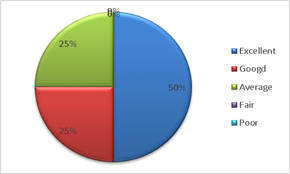 Figure 1. Organized Virtual class program
Source: Surveys Applied to Teachers
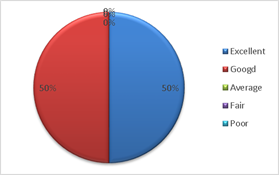
The data indicates that half of the respondents (50%) rated the coordination among different subjects taught by the teacher as excellent, while the other half (50%) rated it as good. There were no ratings for average, fair, or poor, demonstrating a uniformly positive assessment of the coordination among subjects by the teacher (see Figure 2).
Figure 2. Classroom curriculum and planning
 |
Source: Surveys Applied to Teachers
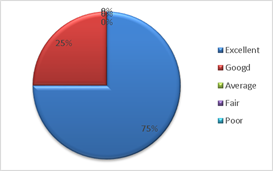 Figure 3. Resources and materials applied
Source: Surveys Applied to Teachers
Rubric to Evaluate Students’ Oral Skills in English Language Learning
This section presents the results of a pretest conducted with students before implementing the teaching method through Moodle. The purpose of this pretest is to assess levels of learning and oral skill production, identifying deficiencies and weaknesses among students.
The rubric results for grammar use in speaking skills show that only 35% of students meet or exceed expectations, with 14% exceeding and 21% meeting them. Meanwhile, 24% need improvement, another 24% have inadequate performance, and 17% are unable to perform. This indicates that a significant number of students have notable deficiencies in grammatical usage, underscoring the need for targeted interventions to enhance grammatical accuracy and effective communication in oral skills (see Table 2).
Table 2. Grammar skill assessment results
|
Category |
Frequency |
Percentage |
|
Exceeds Expectations |
4 |
14% |
|
Meets Expectation |
6 |
21% |
|
Needs Improvement |
7 |
24% |
|
Inadequate |
7 |
24% |
|
Not able to perform |
5 |
17% |
|
Total |
29 |
100% |
Source: Own elaboration
The rubric results from Table 3 for pronunciation in speaking skills show that none of the students exceed expectations, and only 21% meet them. Meanwhile, 28% need improvement, 24% have inadequate performance, and 28% are unable to perform. This means that 79% of students struggle with pronunciation, highlighting a critical need for focused intervention to improve pronunciation accuracy and overall speaking proficiency.
Table 3. Pronunciation assessment results
|
Category |
Frequency |
Percentage |
|
Exceeds Expectations |
0 |
0% |
|
Meets Expectation |
6 |
21% |
|
Needs Improvement |
8 |
28% |
|
Inadequate |
7 |
24% |
|
Not able to perform |
8 |
28% |
|
Total |
29 |
100% |
Source: Own elaboration
The rubric results for oral fluency reveal that none of the students exceed expectations, and only 10% meet them. Additionally, 34% need improvement, while 28% have inadequate performance, and another 28% are unable to perform. This indicates that 90% of students struggle with oral fluency, underscoring a significant need for targeted strategies to enhance fluency and effective communication in speaking (see Table 4).
Table 4. Oral Fluency assessment results
|
Category |
Frequency |
Percentage |
|
Exceeds Expectations |
0 |
0% |
|
Meets Expectation |
3 |
10% |
|
Needs Improvement |
10 |
34% |
|
Inadequate |
8 |
28% |
|
Not able to perform |
8 |
28% |
|
Total |
29 |
100% |
Source: Own elaboration
This present work arises from the need to develop didactic strategies that promote English language learning through virtual environments such as Google Meet. Given the new trends in virtual learning, it was crucial to provide the necessary tools to enhance speaking skill development.
The proposal is aimed solely at improving the quality of teaching and learning both in physical classrooms and virtually, allowing students to stay at home and receive personalized education.
A series of research studies has been gathered to provide essential support for justifying this investigation, including bibliographic references and statistical and scientific information on the coronavirus and its impact on an under-resourced educational system.
Teachers need to become competitive in adapting to a student population increasingly engaged in virtual learning. Understanding teachers' perspectives on their ICT knowledge and practical use, both in and out of the classroom, has been pivotal in shaping this research. Addressing these challenges has spurred an investigation aimed at enhancing parental involvement and delivering higher educational standards to students. This has sparked significant interest and curiosity among educators and the wider educational community to embrace this system, offering not only in-class learning but also a hybrid learning model where students can acquire and improve their English language skills both inside and outside the classroom.
References
Abubakar, M. T. (2019). Assessment of College Students’ Preference on the Usage of Google Drive as a Learning Platform: An Empirical Evidence. American International Journal of Social Science Research, 24-34.
Al-Maroof, R. S., Salloum, S. A., Hassanien, A. E., & Shaalan, K. (2023). Fear from COVID-19 and technology adoption: the impact of Google Meet during Coronavirus pandemic. Interactive Learning Environments, 1293-1308.
Berdiyeva, S. (2023). The importance of role-playing activities in improving learners’language skills. Modern Science and Research, 75-78.
Camilleri, M. A., & Camilleri, A. C. (2022). Remote learning via video conferencing technologies: Implications for research and practice. Technology in society, 68, 101881.
Carter Jr, R. A, Rice, M, Yang, S, & Jackson, H. (2020). Self-regulated learning in online learning environments: strategies for remote learning. Information and Learning Sciences, 321-329.
Chakravorti, B., Chaturvedi, R., Filipovic, C., & Brewe, G. (2020). Digital in the time of covid. Trust in the Digital Economy and Its Evolution Across, 90.
Fernández-Batanero, J., Montenegro-Rueda, M., Fernández-Cerero, J., & García-Martínez, I. (2022). Digital competences for teacher professional development. Systematic review. . European Journal of Teacher Education, 513-531.
Firth, M., & Mesureur, G. (2010). Innovative uses for Google Docs in a university. J. jalt call journal, 3-16.
González-Pérez, L. I., & Ramírez-Montoya, M. S. (2022). Components of Education 4.0 in 21st century skills frameworks: systematic review. Sustainability, 1493.
Gràcia, M, Vega, F, Jarque, S, Adam, A. L, & Jarque, M. J. (2021). Teaching practices for developing oral language skills in Catalan schools. Cogent Education, 1-20.
Helsper, E. (2021). The digital disconnect: The social causes and consequences of digital inequalities. The Digital Disconnect, 1-232.
Hernández-Sampieri, R., & Mendoza, C. (2020). Metodología de la investigación: las rutas cuantitativa, cualitativa y mixta. Mcgraw-hill.
Krath, J, Schürmann, L, & Von Korflesch, H. F. (2021). Revealing the theoretical basis of gamification: A systematic review and analysis of theory in research on gamification, serious games and game-based learning. Computers in Human Behavior.
Macarthy, A. (2021). 500 social media marketing tips: essential advice, hints and strategy for business: facebook, twitter, pinterest, Google+, YouTube, instagram, LinkedIn, and mor.
Maziriri, E. T., Gapa, P., & Chuchu, T. (2020). Student perceptions towards the use of YouTube as an educational tool for learning and tutorials. International Journal of Instruction, 119-138.
Nayla, A. (2021). The Importance Of English In a Student's Life. Research Gate.
Nehe, B. M. (2021). Students’perception on Google Meet video conferencing platform during English speaking class in pandemic era. English Review:Journal of English Education, 10(1),, 93-104.
Putra, R. W. (2021). Improving the students’ motivation in learning English through Google Meet during the online learning. English Learning Innovation (englie): 35-42.
Stafford, V. (2022). Using Google Jamboard in teacher training and student learning contexts. Journal of Applied Learning and Teaching: 181.
Strauß, S, & Rummel, N. (2020). Promoting interaction in online distance education: designing, implementing and supporting collaborative learning. Information and learning sciences, 251-260.
Suanse, K., & Yuenyong, C. (2021). Development of the analytic geometry flipped classroom teaching model through Google Classroom. . In Journal of Physics: Conference Series. IOP Publishing., 1-16.
Tai, T. Y., & Chen, H. J. (2023). The impact of Google Assistant on adolescent EFL learners’ willingness to communicate. Interactive Learning Environments, 1485-1502.
Waluyo, B, & Apridayani, A. (2021). Teachers' beliefs and classroom practices on the use of video in English language teaching. . Studies in English Language and Education, 726-744.
Xu, M., & Stefaniak, J. (2023). Pre-Service Teachers’ Instructional Design Decision-Making for Technology Integration. TechTrends, 1-15.
Young, R. F. (2011). Interactional competence in language learning, teaching, and testing. Handbook of research in second language teaching and learning, 426-443.
 The impact of
Google Meet on the development of speaking competence © 2025 by Diana Esther
Yungaicela Uzhca is licensed under Creative Commons Attribution-NonCommercial
4.0 International. To view a copy of this license, visit
https://creativecommons.org/licenses/by-nc/4.0/
The impact of
Google Meet on the development of speaking competence © 2025 by Diana Esther
Yungaicela Uzhca is licensed under Creative Commons Attribution-NonCommercial
4.0 International. To view a copy of this license, visit
https://creativecommons.org/licenses/by-nc/4.0/